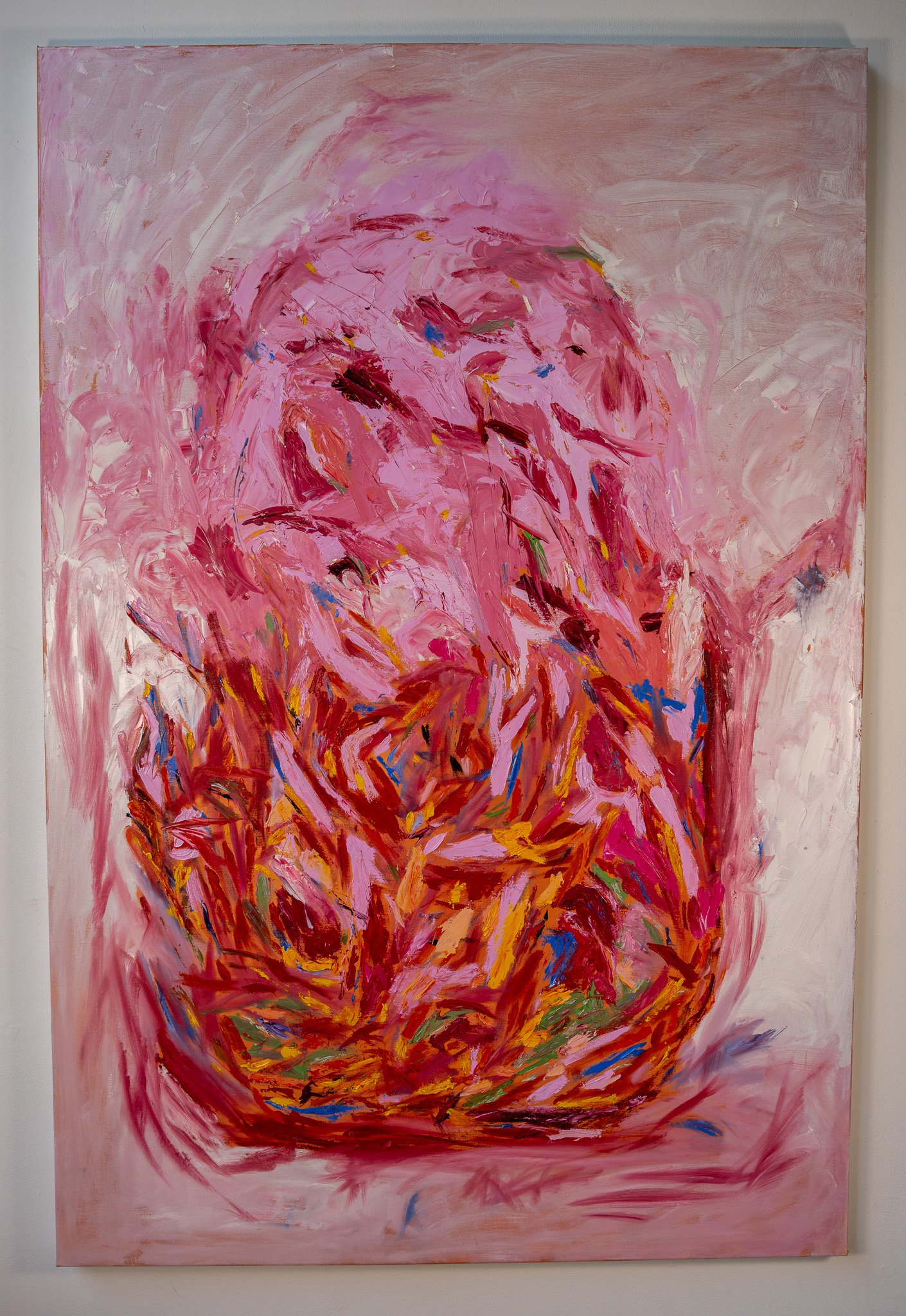
Regenerative Art for the Ricorso
An Illustrated Manifesto
Civilizations come and go. They rise through heroic force, consolidate through reason and law, decay through corruption and exhaustion, and collapse—not into nothing, but into the wreckage for another cycle. Giambattista Vico called this the ricorso. We are living in the collapse. Everything has failed. The fascists have taken power. Regenerative art begins the next cycle. It does not restore what has repeatedly failed. It takes the wreckage and generates new life. It celebrates the destruction and creates a new world. Regenerative artists consume the afterdeath of the old, nurture themselves with the placentas of their creations and live in the afterbloom.
Regenerative art does not look away from the wreckage. It names what failed and why. Regenerative art excavates the strength, adaptability, and enduring presence of those the old order marginalized. These are the people who know how to live outside the system's promises. Their knowledge is the seed material of the new.
The fractures that the old order exploited between people, between humanity and the natural world do not heal through sentiment. They close through shared work and shared understanding. Regenerative art creates the conditions for that understanding. It envisions, concretely, what replaces what is failing. It empowers participation in the active work of building not by restoring the old order but constructing one that did not previously exist.
The artist is not a commentator on the ruins. The artist is a builder working in and from the ruins.
Regenerative art does not simply depict decay and renewal. It enacts them. The work is itself a site of ricorso: materials that carry the history of destruction recomposed into something that insists on the future. Regenerative art is not about the cycle. It is the cycle, made visible and material.
The materials of regenerative art are chosen because they carry the evidence of what happened. Ground bullet-case brass embedded in impasto is not decoration. It is testimony and transformation simultaneously. The substance of violence becomes the substance of the work, not neutralized but metabolized, made into something that could not have existed without it.
Regenerative art does not offer false comfort, it makes the future available as an imaginative reality before it becomes a material one.
The old tyrants financialized knowledge and called it opportunity. They indentured artists before they made any marks, extracted rent from the act of becoming, and ensured that those without inherited wealth would spend their most generative years in servitude to debt. This was not an accident or a failure of the system. It was the system working as designed, concentrating creative power among those who could afford it, silencing the rest.
Regenerative artists do not acknowledge their debt. We repudiate it. Student loan debt is not a legitimate obligation; it is the extracted tribute of a dying civilization, and it will be defaulted. We do not call on debt to be forgiven. We default on it. The distinction matters. Forgiveness implies the debt was valid. Default is the recognition that it was not. Art education will be free. Not subsidized, not income-adjusted, not contingent on assistantships that require institutional loyalty. Free. Art made under financial duress is art made in chains. The regeneration of culture requires the liberation of its makers.
Regenerative art is the act of working in the wreckage with full knowledge of what the wreckage means. It does not sentimentalize what is ending. It does not mistake the collapse for the conclusion. Even poisoned soil yields new life. The question is what you plant, and who gets to plant it. That is the work. It has already begun.
The Rough Beast
2025
Oil on linen
48x36 inches
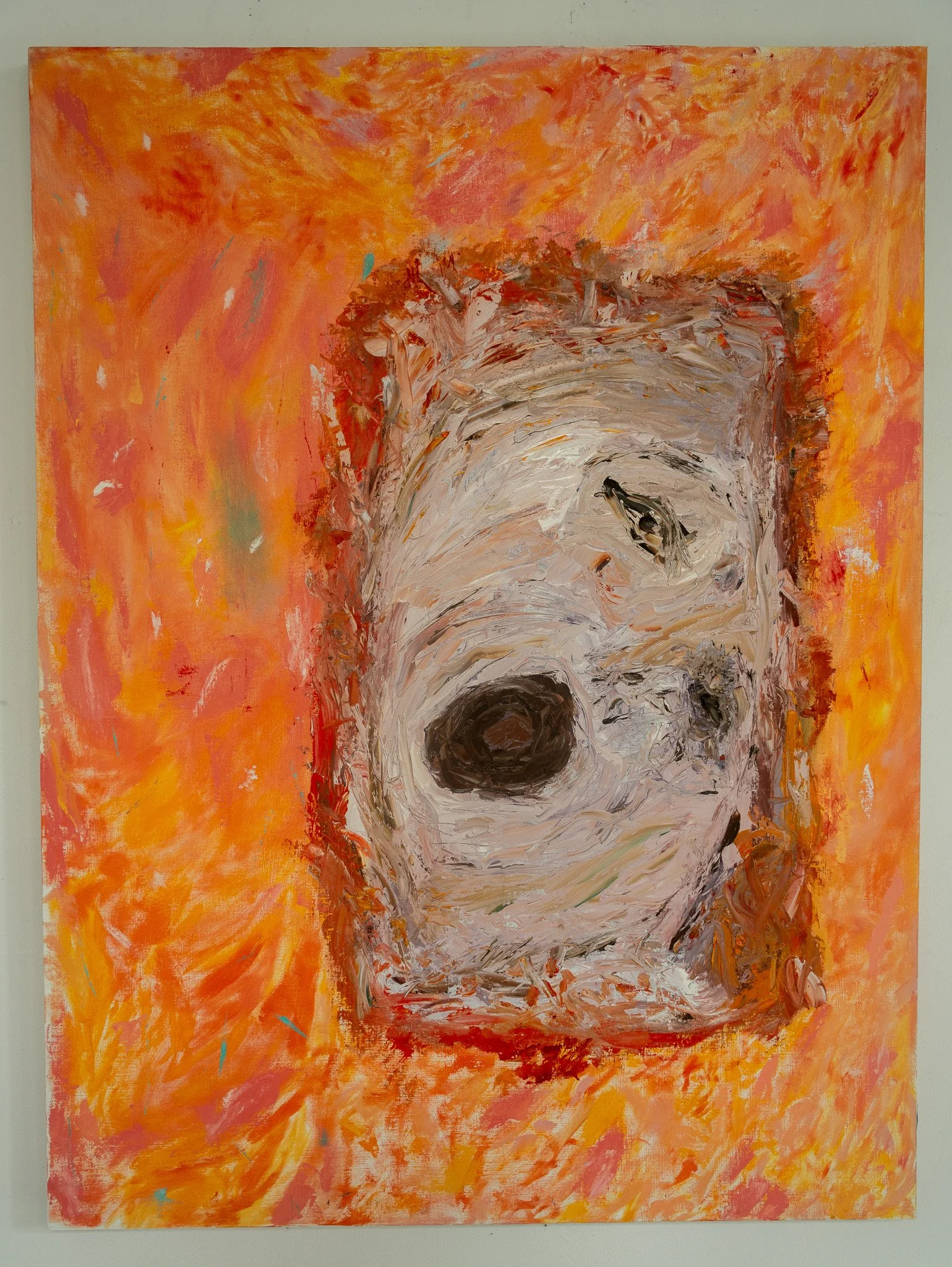
Stay on the Line
2025
Oil on linen with ground bullet case brass powder and larger spent bullet pieces
20x20 inches

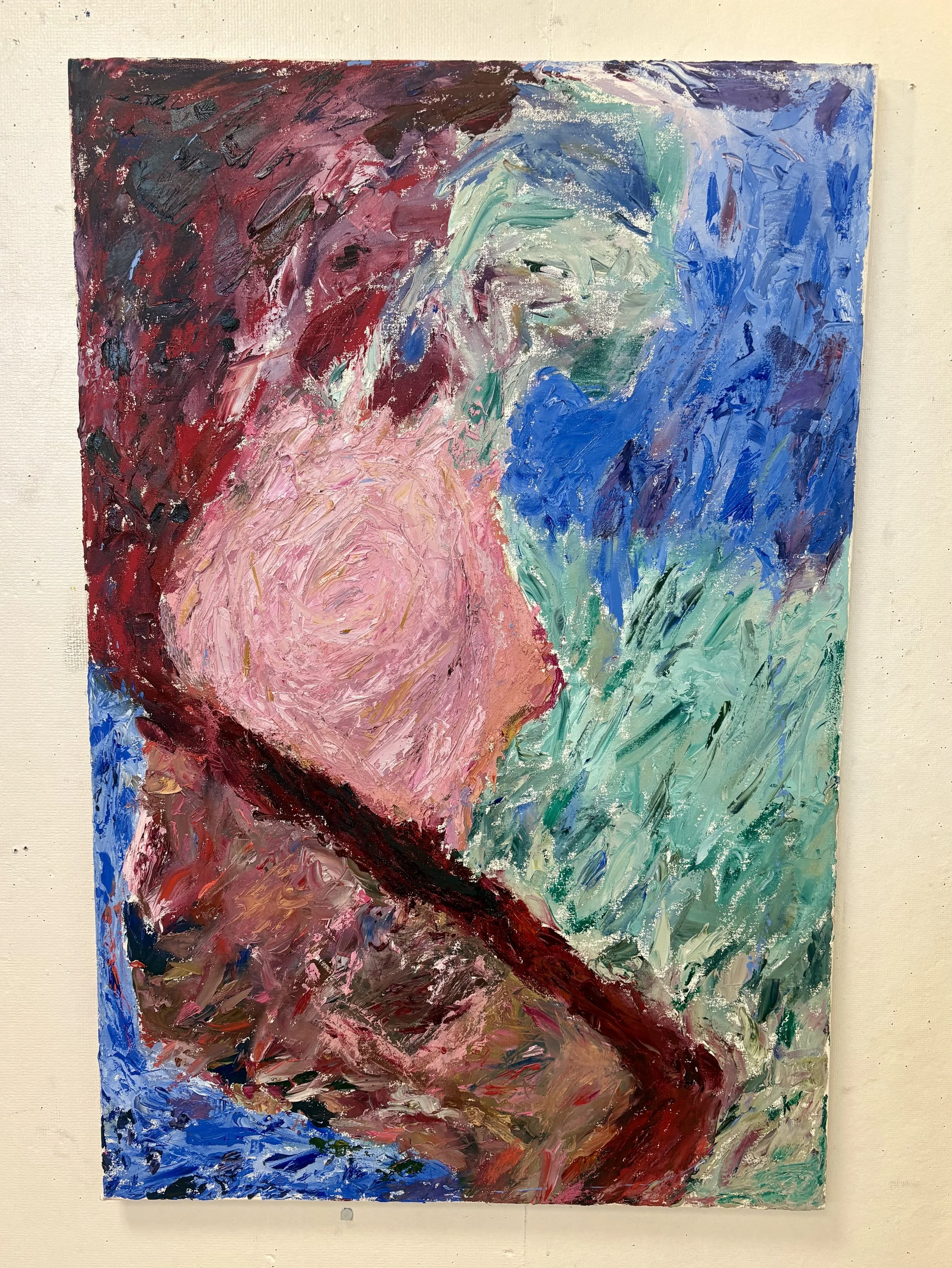
Wounds that Bind
2025
Oil on linen
36x24 inches
afterbloom
2025
Oil on canvas
72x60 inches